Sexual wellness is not just what happens in the bedroom. It is shaped by your stress levels, sleep, movement, mental health, and how well you know your own body. The good news: small, everyday habits can make a real difference in how you feel about intimacy, desire, and connection.
You do not need a complete life overhaul. Here are five science‑backed ways to support your sexual wellness in daily life—one small step at a time.
1. Move your body regularly
Regular movement is one of the most powerful (and underrated) tools for sexual health. Exercise improves blood flow, supports heart health, boosts mood, and helps regulate hormones—all of which are key for arousal and sexual function.
Studies show that moderate exercise is associated with better sexual performance, higher sex hormone levels, and an easier time falling asleep. For many people, feeling stronger and more mobile also boosts body confidence, which can make intimacy feel more comfortable.
Try this:
Aim for at least 20–30 minutes of movement most days—walking, yoga, dancing, cycling, or anything you actually enjoy.
If you sit a lot, add short movement breaks during the day.
If you are cleared by your clinician, consider activities that support your core and pelvic floor (like Pilates), which can help with stability and sexual function.
2. Prioritize sleep like it’s a health habit (because it is)
Sleep is when your body resets many of the systems that support sexual wellness. During deep sleep, your body produces hormones—including testosterone—that influence libido and sexual function.
On the flip side, chronic sleep loss raises cortisol (your main stress hormone), which can suppress sex hormones and leave you feeling anxious, tired, and disconnected from desire. Research suggests that better sleep is linked with better sexual function and overall wellbeing.
Try this:
Aim for 7–9 hours of sleep most nights if you can.
Keep a consistent sleep and wake time, even on weekends.
Create a wind‑down routine: dim lights, avoid heavy scrolling, and try relaxing activities like stretching, reading, or a warm shower.

3. Nourish your body with a supportive diet
What you eat affects your energy, blood vessels, hormones, and mood—all of which play a role in sexual health. Diets rich in fruits, vegetables, whole grains, healthy fats, and lean proteins are associated with better cardiovascular health and sexual function.
High‑salt, high‑fat, ultra‑processed foods and heavy alcohol use, over time, can contribute to conditions like high blood pressure and diabetes that often impact sexual performance and arousal. While there is no single “sex diet,” your everyday food choices matter more than any quick fix.
Try this:
Build meals around plants (fruits, vegetables, legumes, whole grains) plus a source of protein and healthy fat.
Limit smoking and keep alcohol in check, as both can negatively affect sexual function over time.
Notice how certain foods make you feel in terms of energy, mood, and digestion—your body’s feedback is valuable.
4. Take care of your mental health and stress levels
Stress and mental health are central to sexual wellness, not side notes. Chronic stress raises cortisol, narrows blood vessels, and makes it harder to be present and relaxed during intimacy. Anxiety and depression can lower desire, increase negative self‑talk, and make sex feel like pressure instead of pleasure.
On the other hand, practices that support your mental health—like therapy, mindfulness, and social support—are linked with better sexual satisfaction and function.
Try this:
Add a simple stress‑management practice to your day: a short walk, breathing exercises, journaling, or mindfulness meditation.
Talk openly with trusted people (a partner, friend, or therapist) about how you are feeling emotionally and sexually.
If anxiety, depression, or trauma symptoms are affecting your intimate life, consider reaching out to a mental health professional—this is an important part of sexual self‑care.
5. Get curious about your own body and needs
An often‑overlooked part of sexual wellness is simply getting to know yourself. Understanding your own body, preferences, and boundaries makes it easier to communicate with partners and to feel more confident during intimacy.
Self‑exploration can include education, self‑touch, tracking your cycle or patterns, and paying attention to what helps you feel safe, relaxed, and turned on. Many people find that as they build this self‑knowledge, shame decreases and pleasure becomes easier to access.
Try this:
Spend a few minutes each week checking in with yourself: “How does my body feel? What has been affecting my desire lately?”
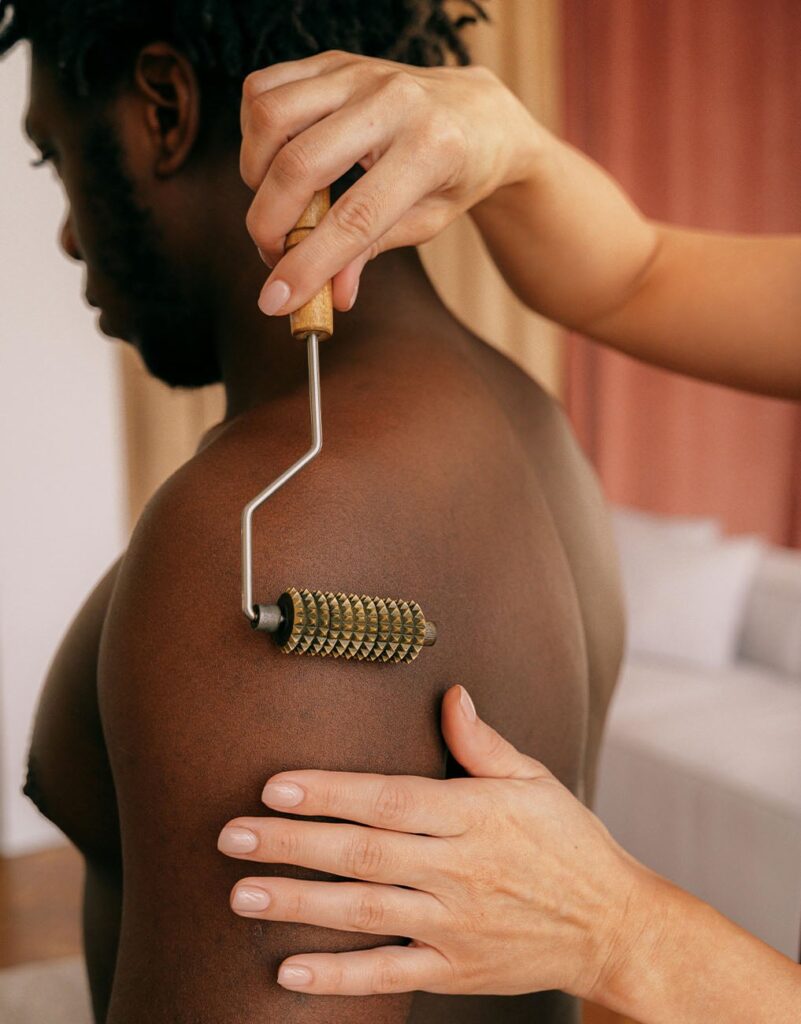
Explore non‑sexual touch (like self‑massage or a warm bath) and, if it feels right for you, solo pleasure as part of your self‑care routine.
Read trusted resources about sexuality and sexual health so you are working with accurate information, not myths.
A small-step approach to sexual wellness
You do not need to do all of these at once. Even one small change—an extra 10 minutes of movement, a slightly earlier bedtime, a weekly check‑in with yourself—can support your sexual wellness over time.
If you notice ongoing pain, big shifts in desire, or worries about sexual performance, consider talking with a clinician. Sexual wellness is a real part of your health, and you deserve care that takes it seriously.


A well-balanced comparison that helped me understand the pros and cons of each option. It’s good to know there are alternatives to medication for pain management.